
By arizonamerchantservices November 26, 2025
Chargebacks are a significant issue faced by Arizona businesses. With more online payments along with higher expectations from customers, even honest merchants receive disputes and lose profits. This means chargeback fees, lost sales, and processing penalties pile up fast. In order for Arizona merchants to stay protected and profitable, they need a clear understanding of how chargebacks work and how they can prevent them before they escalate.
The Chargeback Landscape in 2025
The chargeback environment in 2025 has become tougher than ever, especially for online businesses. Chargebacks are increasing in number and cost, and most of them now emerge from friendly fraud situations where customers dispute real purchases instead of contacting the merchant. Over the past year, e-commerce chargebacks have gone up dramatically, and industries such as travel and lodging have been hit even harder.
On top of that, every single chargeback now costs businesses far more than the original transaction amount fees, not to forget labor, and lost inventory is also added in. The good news is that many of these losses can be stopped. With better fraud-prevention tools, accurate transaction monitoring, and robust dispute processes, merchants can fight back against false chargebacks and recover revenue that would otherwise be lost forever.
Why Chargebacks Happen

Chargebacks typically occur at the moment when something in a purchase has gone wrong, and the customer approaches the bank instead of the merchant. In most cases, this starts with fraud; somebody makes a purchase using stolen card information, and the actual cardholder disputes the transaction.
Chargebacks can also occur when the transaction is perfectly valid. This is sometimes called friendly fraud, in which customers simply don’t recognize the charge, forget they’ve made a purchase, or regret spending the money and demand that the bank reverse it. Other common causes of disputes are service-related issues, such as orders that arrive late, are damaged during shipment, or do not meet customer expectations.
Whenever customers cannot reach support or feel frustrated for some reason, they will often go straight to the bank rather than the business. Understanding what causes chargebacks helps the merchant take early action and manage customer expectations to avoid unnecessary payment disputes.
Why Chargebacks are Bad for Merchants
Chargebacks can be greatly damaging to a business because they don’t just reverse a sale; they create several layers of costs. When a customer disputes a transaction, the merchant loses the payment, pays extra chargeback fees, and spends time and resources gathering documents to fight the dispute. Many times, these costs turn out to be higher than the value of the original order. If chargebacks continue, things worsen as payment processors can raise rates, place the business in fraud-watch programs, or even shut down the merchant account completely.
On top of everything else, chargebacks affect customer trust and make a business look unreliable. Since most disputes are hard to win, fraud-related chargebacks just keep on rising. Today, automated payment processing intelligence tools help merchants detect unusual transaction activity early so they can stop chargebacks before they happen.
How to Avoid Chargebacks in 2025
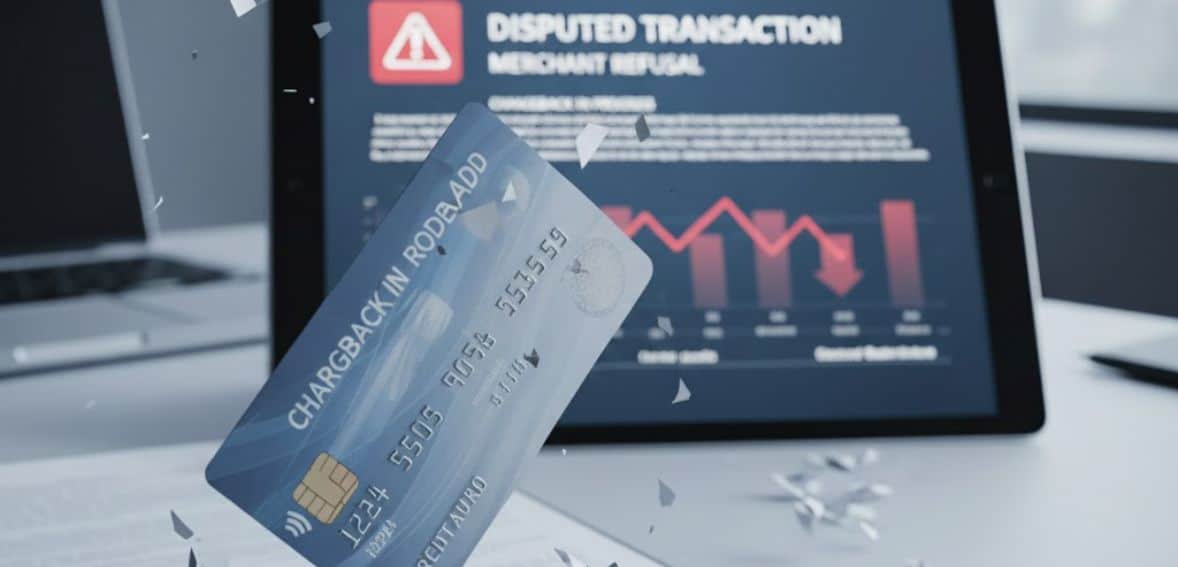
Firstly, the prevention of chargebacks in 2025 begins with the proactive and clear enhancement of safe payments for one’s customers. Strong payment security tools, such as 3D Secure, block suspicious transactions before they become chargebacks. Displaying clear policies for return, refund, and cancellation reduces misunderstandings. Secondly, order confirmations, tracking numbers, and alerts on delays reassure buyers and hinder non-delivery disputes. Efficient customer service can also prevent chargebacks.
The easier it is for a shopper to contact business representatives, the less likely they are to initiate contact with a bank. Other simple fixes include using recognizable billing descriptors. Charging customers only after an item ships can also prevent friendly fraud. Merchants should keep solid records, such as delivery proofs and customer communication, to support disputed cases.
Thirdly, prompt cancellation of subscriptions is advisable, with written confirmation to prevent unwanted recurrent charges. All these measures combine for smoother payments and fewer costly chargebacks.
Merchant Chargeback Rights

The chargeback process often feels weighted against them, but merchants do have clear rights that protect their hard-earned money. Knowing such rights makes it easier to fight false claims and recover lost revenue.
Right to Representment
If a customer files a chargeback that you believe is unfair, you have the right to fight it. This process is called representation. You can submit proof — like delivery records, invoices, or customer messages — showing that the transaction was real and valid. If your evidence is accepted, the payment is returned to you, and sometimes the chargeback fee too.
Right to a 15-Day Return Window
When the customer returns an item, the card issuer cannot initiate the chargeback straight away but instead has to wait 15 days. This means that you get time to receive the product and issue the refund before the dispute goes further and turns into a chargeback.
Right to Documentation
You are allowed to request from the cardholder’s bank the documents related to the case. This could include the chargeback reason code and evidence submitted by the customer. It helps you understand the dispute and respond properly.
Right to Protection Against Late Delivery
If an order is late as a result of circumstances outside of your control, for instance, supply-chain issues or shipping delays, the chargeback should not be approved unless the customer first tries to return the item. This rule protects merchants from losing money because of delays that they did not cause.
Right to Limit Liability to the Original Purchase Amount
You cannot be asked to pay more than the original sale amount, including shipping and taxes. If you have already issued a refund or store credit, a bank cannot charge you again for the same transaction.
Right to No Chargebacks on Cash-Back Transactions
In the United States, chargebacks can’t be filed on the cash-back portion of a sale, such as when a customer takes out $20 cash along with a purchase at a grocery store. Once cash is handed over, that part of the transaction can’t be disputed.
Chargeback vs. Refund
Now that we have learned what a chargeback is, it’s helpful to compare it with a normal refund. In both situations, the consumer gets their money back. The real difference is about who starts this process and who controls the money.
With a refund, the customer goes directly to the business and requests their money back. The business considers the request and informs the payment processor of the refund. In this case, the business is in full control; nothing is changed until the business decides to issue the refund.
A chargeback works very differently. The customer bypasses the business and goes straight to their bank or provider and disputes the transaction. The bank takes over the whole process, pulling the money right away from the business account pending an investigation. The bank remains in control until it decides who is right.
Refunds also tend to be much quicker. Once approved, the money is usually returned within three to seven business days. Chargebacks can drag on for weeks or even months, especially when the business chooses to fight the dispute and provide evidence. While both paths return money to the customer, refunds keep things simple and direct, while chargebacks are far more complicated and put the bank in charge from start to finish.
How to Respond to Chargebacks the Right Way

Even with the best fraud protection in place, chargebacks will still occur from time to time. When they do, merchants need a clear plan in place to review the claim and respond properly. Here is a simple look at what to do when a chargeback comes in.
First, verify the reason behind the chargeback filing. Understand whether the dispute is linked to real fraud or if it is just a misunderstanding or service problem. If, in fact, the charge is fraudulent, you should notify the bank that you will not contest the dispute. The money will be returned to the customer, and you should notify your payment processor so they can investigate what went wrong and help to prevent any similar event from occurring in the future.
If it appears to be friendly fraud, that the transaction was valid, but the customer disputed it anyway, the next steps will depend upon why the customer complained. Most of the time, you’ll want to try to resolve the situation before it goes any further.
Secondly, reach out to the customer. Many issues can be resolved with a quick telephone call or email before they escalate into bigger ones. Even when you have decided upon a refund, it is always far better to handle it directly rather than going through a chargeback.
If talking to the customer doesn’t resolve the issue and you think the dispute is unfair, your next step is to fight the chargeback. You can do this by compiling proof that the transaction was legitimate.
Some examples of things that can be used as proof include receipts, delivery confirmation, and even communication with the customer to prove the purchase was valid. Your payment provider then forwards this evidence on to the bank, and you wait for their final decision. Having a process in place like this can help you protect your revenue, save time, and reduce stress every time a chargeback happens.
Why are There Time Limits on Chargeback Claims?
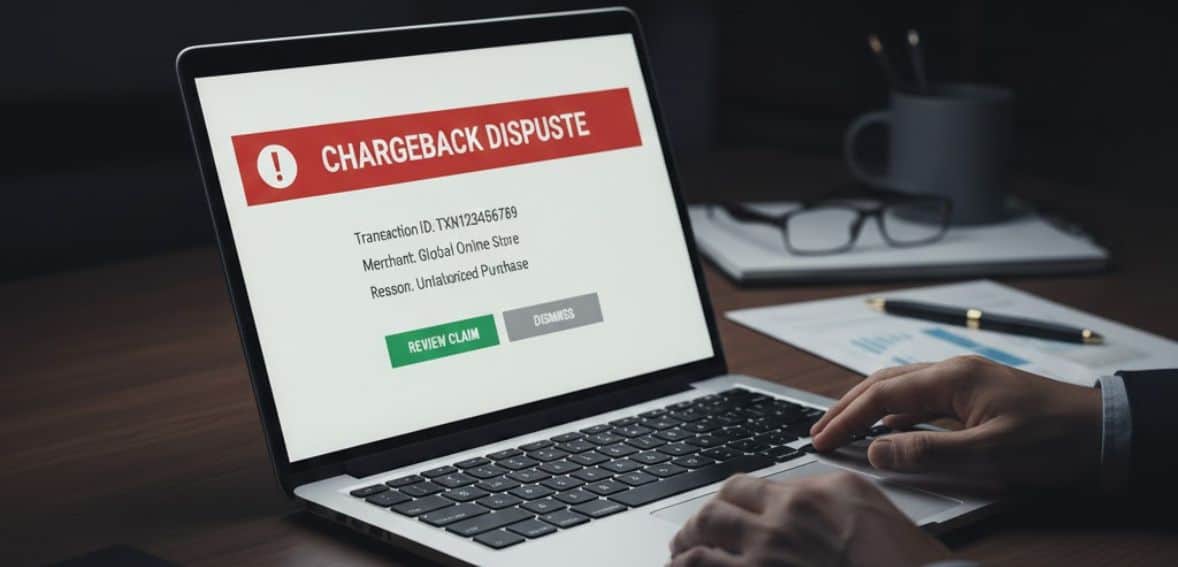
Chargebacks were created to protect customers against fraud and deceptive merchants, but this process can’t remain open-ended. That’s where time limits come into play. According to the Fair Credit Billing Act, customers have at least 60 days to dispute a transaction they feel is unauthorized. In reality, most payment processors give even more leeway, up to 120 days, giving cardholders a wider way in which they can demand a chargeback.
Merchants have deadlines, too. If an institution wishes to dispute a chargeback, it must submit evidence in a timely manner or forfeit the case by default. This way, the process avoids prolonged disputes that may take several months to resolve.
The challenge is that there is no common rule. Time limits vary depending on the type of card network, the issuing bank, the payment provider, the region, the type of product or service, or even the reason for the chargeback itself. Due to so many variables, both consumers and merchants can easily get confused about how much time they actually have to act.
When Is It Appropriate to Initiate a Chargeback?
A chargeback should only be filed when something is really wrong with a transaction. The most appropriate time to initiate a chargeback is when fraud is involved, for example, purchases made with a stolen credit card, hacked payment credentials, or even an account takeover in which someone gains access to saved payment details. In these cases, the customer never approved the purchase, so the bank steps in, pulling the money back.
Generally speaking, merchants are advised not to fight these disputes because the claim is genuine. However, there is also “friendly fraud,” in which customers make a purchase themselves and then incorrectly claim that the payment was unauthorized. Merchants can dispute these chargebacks if they have compelling evidence, including delivery confirmation, receipts, or customer communication.
Less frequently, chargebacks may be justified on those occasions when the merchant does not cooperate, for example, double-billing, goods lost or damaged, or even the absence of a refund when the customer has tried to resolve the matter directly. While merchants cannot fight legitimate chargebacks caused by fraud or real service failures, they can reduce these by offering responsive customer service, easy refund options, and clear store policies that encourage customers to come directly to them first before involving the bank.
Conclusion
Chargebacks are more than just a minor issue for Arizona merchants. They have a direct effect on income, customer trust, and the stability of the business over time. The best protection comes from the combination of strong payment security, clear customer communication, and fast dispute management. With the right set of tools and processes, merchants are able to reduce preventable chargebacks, win more disputes, and ensure their payment operations stay robust and predictable throughout 2025 and beyond.
FAQs
What are the causes of most chargebacks for Arizona merchants?
Most chargebacks originate from fraud, issues with delivery, unclear details in billing, and customers disputing valid purchases instead of contacting the merchant.
Can merchants actually win chargeback disputes?
Yes, merchants can win if they submit strong evidence such as delivery proof, receipts, order logs, and customer communication on time.
Are chargebacks the same as refunds?
No. The merchant issues refunds, while chargebacks are initiated from the customer’s bank without merchant approval.
How long does it take to resolve chargeback disputes?
Most chargeback cases take several weeks to months, depending on evidence, card network timelines, and whether arbitration is needed.
What's the most effective way to cut chargebacks in 2025?
Avoid disputes before they even start by using fraud detection tools, clear billing descriptors, rapid support, and solid order tracking.